- Area
- About 40 acres
- Declared a sanctuary
- 1940
- Best time
- December to May
- Distance from Mysuru
- About 19 km
- Distance from Bengaluru
- About 128 km
- Nearest railway station
- Srirangapatna
History
The islets formed after a Mysore ruler, Kanteerava Narasimharaja Wadiyar, built a weir across the Cauvery in the 17th century. The ornithologist Salim Ali noticed how many birds nested here and pressed for its protection, and it was declared a sanctuary in 1940. The name comes from the Ranganatha (Vishnu) temple at nearby Srirangapatna.
What you can see
Around 170 bird species have been recorded. Look out for:
- Painted storks, Asian openbills and woolly-necked storks
- Spot-billed pelicans, cormorants and oriental darters
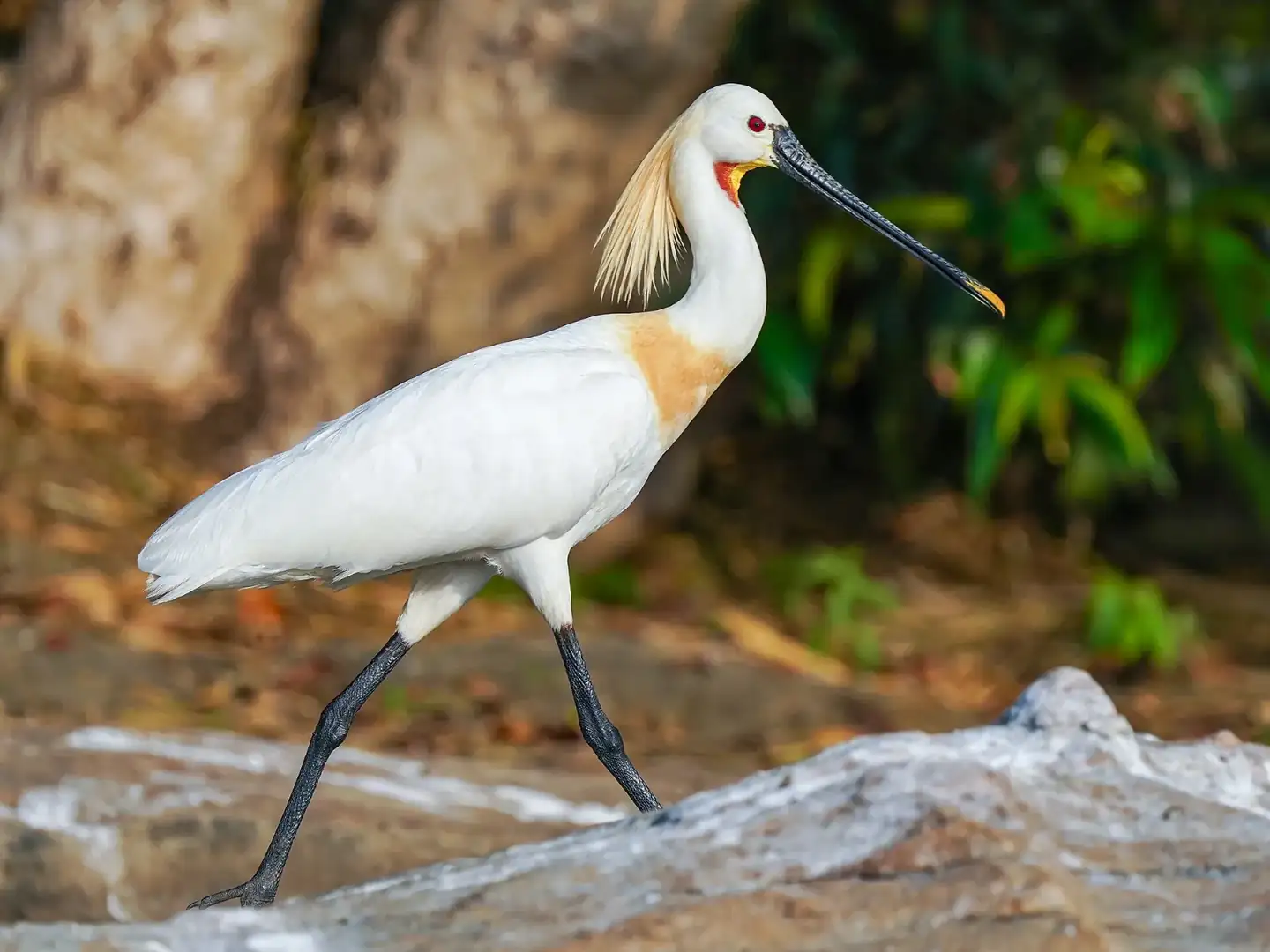
- Black-headed ibis, spoonbills, herons and egrets
- River terns and great stone curlews
- Mugger crocodiles, flying foxes roosting in the trees, bonnet macaques and monitor lizards
Best time to visit
Birds are present most of the year, but the nesting season from roughly December to May is when colonies are fullest and chicks are in the nests. Mornings and late afternoons are best for light and bird activity.
Things to do and tips
Boat rides are the main activity and get you close to the islands; carry binoculars and a zoom lens. Walking paths along the bank are good for photography. Stay in Mysuru if you want to combine the sanctuary with the city's other sights.
How to reach
The sanctuary is about 19 km from Mysuru and around 128 km from Bengaluru by road, and Srirangapatna railway station is only a few kilometres away. Mysuru airport has limited flights; most visitors fly into Bengaluru's Kempegowda International Airport. Autos and taxis are easy to find in Srirangapatna, and we can include the sanctuary in a Mysuru day tour.
Also nearby
Plan it with us
Tell us your dates and who is travelling. We will build the route, book the car, driver and hotels, and send you a clear quote.
